
A heart attack occurs when blood flow through one or more of the arteries that supply the heart, known as the coronary arteries, is impeded by a blockage. This blockage can damage the heart muscle, so immediate treatment is important. After a heart attack, a stent may be inserted into the blocked artery to restore and maintain blood flow. Understanding the recovery time after heart stent placement is key for effective healing. This guide outlines the recovery process, including the timeline and necessary lifestyle changes.
How long does heart attack recovery take?
It can take up to three months to recover from a heart attack.¹ The length of recovery depends on several factors, including the severity of the heart attack, the type of treatment received, the speed of treatment, and the patient’s overall health, including any pre-existing medical conditions. Recovery from open-heart surgery may take longer than recovery from percutaneous coronary intervention.
Navigating the Recovery Process
It is important to gradually ease into physical activity during the recovery process. After a few days, you can begin light exercise, but avoid rushing into high-intensity workouts, as they could cause additional strain on the heart. Pay close attention to any signs of chest pain or shortness of breath.
Maintaining a heart-healthy diet is crucial, and we will discuss this in detail later in the article. Staying hydrated and limiting sugar and sodium intake are also key for heart health. Since stress can physically manifest in the body, it’s important to develop strategies to manage it. These strategies vary depending on the individual, so finding what works best for you during your heart stent recovery is key.¹
Activity Levels and Precautions
During recovery, it is important to pay close attention to signs of a worsening heart condition. Hospitals often advise against engaging in strenuous activities during the first week after surgery.²
The Role of Exercise in Recovery
It is completely normal for patients to feel weak or tired after returning from the hospital. During the first few weeks of easing back into normal activities, patients should focus on basic hygiene, such as showering and getting dressed daily, to support a smooth recovery process. When patients feel ready, they can gradually take on other household tasks, but should pay close attention to how their body feels to avoid overexertion. Avoid frequent use of stairs and moving heavy objects.¹
Cardiac rehabilitation programs can be highly beneficial for heart attack recovery. These programs are designed to help patients recover as quickly and safely as possible. The program typically begins during the hospital stay and continues for a month or two after discharge. It includes medically supervised exercise sessions. After completing the program, patients should aim to maintain regular exercise. Understanding heart stent recovery time is essential for achieving the best outcomes. More information about these specific programs can be found here.
https://www.bhf.org.uk/informationsupport/support/practical-support/cardiac-rehabilitation
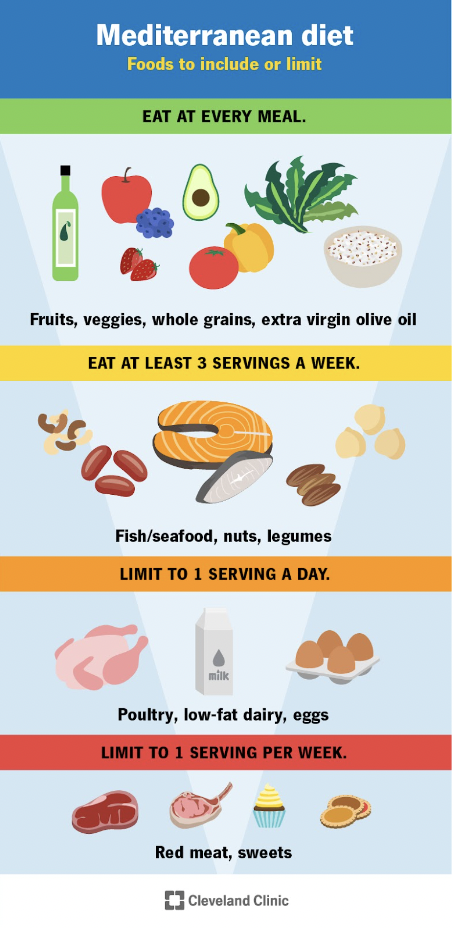
Post-stent, it is recommended that patients maintain a healthy diet to prevent future cardiovascular events. Research has shown that the Mediterranean diet is one of the best heart-healthy diets post-stent.³ This diet includes:
-
- Planning plant-based meals with whole grains, vegetables, and beans.
-
- Consuming healthy fats like avocados, olive oil, and nuts.
-
- Eating seafood, lean meats, and eggs in moderation.
-
- Limiting foods that are harmful to heart health, such as red meats, sweets, and fried foods.
Quitting smoking is also highly beneficial.
Emotional Well-being and Recovery
It is normal to experience negative emotions after a heart attack, such as depression or extreme anger. Managing these emotions is important for recovery. While the approach will vary from person to person, here are a few suggestions:¹
-
- Don’t stay in bed all day: try to keep a modified normal routine. This can include forms of moderate exercise such as going on walks.
-
- Walking can be very beneficial for mental health as well as physical health.
-
- Try to keep up with your normal social life so as to not stay isolated. Sharing feelings with friends can also help with emotional health.
-
- Patients also can seek further help with a therapist.
Can you have sex with a stent?
You may engage in sexual activity after having a stent placed, but it is important to consult your healthcare provider first, as recommendations can vary from person to person. If you choose to be sexually active, pay attention to your energy levels and listen to your body. Open communication with your partner can help ensure that you are not overexerting yourself, as your energy levels may be different than they were before receiving the stent.¹
Preventing Future Heart Complications After a Heart Attack
Medications and Their Role
After a heart attack, your healthcare provider will prescribe medications to help prevent future damage to your heart. It is important to take these medications as instructed, as they can help lower cholesterol and prevent future blood clots. If necessary, you may also be prescribed additional medications to treat irregular heartbeat, lower blood pressure, alleviate chest pain, and manage heart failure.²
Recommended Lifestyle Changes
Though not all risk factors for heart attacks can be changed, some lifestyle changes can help lower the probability of another heart attack. These include:
-
- Stop smoking. Use of tobacco in the form of cigarettes, vapes, etc. is a risk factor that can be reversed.
-
- Limit intake of alcoholic beverages. Alcohol can worsen heart health. In some cases, your healthcare provider may instruct you to cut out alcohol completely.
-
- Manage diabetes and high blood pressure. These are two factors that can influence coronary artery disease.
The Importance of Regular Medical Check-ups
After a heart attack, it is important to continue seeing your healthcare provider for regular check-ups. About a month after the heart attack, you will have a scheduled appointment to ensure your recovery is progressing smoothly. Your healthcare provider will advise you on how long you should monitor your stent. Follow-up tests will be necessary, based on your provider’s instructions, to ensure you do not develop in-stent restenosis or other complications. Some of these tests include cardiac catheterization, which checks for blocked arteries, and coronary CT angiography (CCTA), which provides 3D imaging of blood flow to the heart to confirm that it is normal.⁴ These follow-up procedures can help you track your heart stent recovery time.
Possibility of a Complete Recovery After a Heart Attack
By following all of the suggestions for lifestyle changes and adhering to instructions from your healthcare provider, you can achieve significant improvement.
Conclusion
In conclusion, recovery from a heart attack is multifaceted and involves various approaches to improving health. It is critical to follow all guidelines provided by your healthcare provider and to adhere to a heart-healthy diet and exercise plan that gradually eases you back into physical activity. Continuing to exercise even after recovery is important for maintaining heart health. To achieve full recovery, you must prioritize your health and follow your doctor’s instructions.
Citations
¹https://my.clevelandclinic.org/health/diseases/17055-heart-attack-recovery–cardiac-rehabilitation
²https://www.nhs.uk/conditions/coronary-angioplasty/recovery/
³https://www.svhhearthealth.com.au/rehabilitation/after-coronary-angioplasty-stenting
Image citations:
https://my.clevelandclinic.org/health/articles/16037-mediterranean-diet
https://www.heart.org/en/news/2021/06/23/silent-heart-attacks-all-too-common-and-often-overlooked
The information published in this Blog article, or in NIMBLE DIAGNOSTICS website, is provided for information purposes only and does not and cannot be considered as a consultation, treatment, therapy, or medical or clinical prescription, nor is it a substitute for treatment, diagnosis, therapy, or supervision by a healthcare professional. The information published is neither intended to be used as a guide and should not serve nor be used as an exclusive orientation for the healthcare professionals to make decisions about the treatment and therapy of their patients, nor does it replace the healthcare professionals’ criteria. NIMBLE DIAGNOSTICS makes no warranties as to the accuracy, suitability, or completeness of the information provided, and shall not be held responsible for any decisions made based on the information provided on this Blog article, NIMBLE DIAGNOSTICS website or any other websites linked or referenced in NIMBLE DIAGNOSTICS website.
