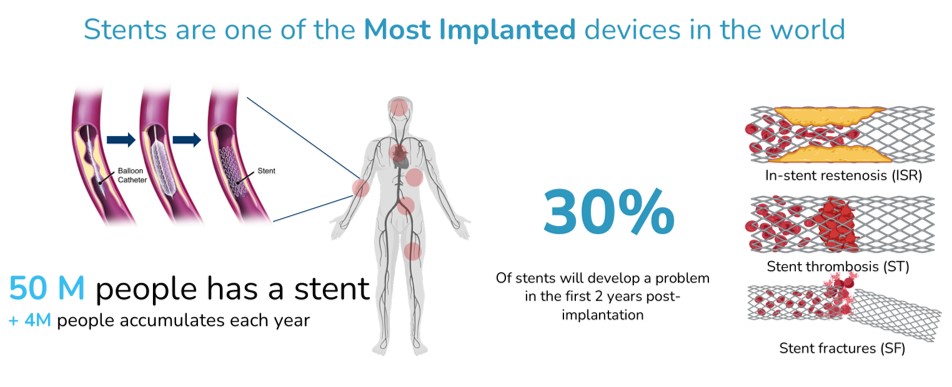
Early diagnosis of stent-related problems could help avoid severe outcomes, including up to 25% of heart attacks, 37% of hospitalizations, and 65% of premature deaths associated with these complications, while also reducing non-productive procedures and optimizing drug spending. NIMBLE was created with this potential in mind, with direct estimated savings to the healthcare system of up to €2.4 million per hospital per year.**
**Estimated savings are based on health-economic modelling and predefined assumptions. These estimates have not yet been validated in clinical studies.
NIMBLE’s approach
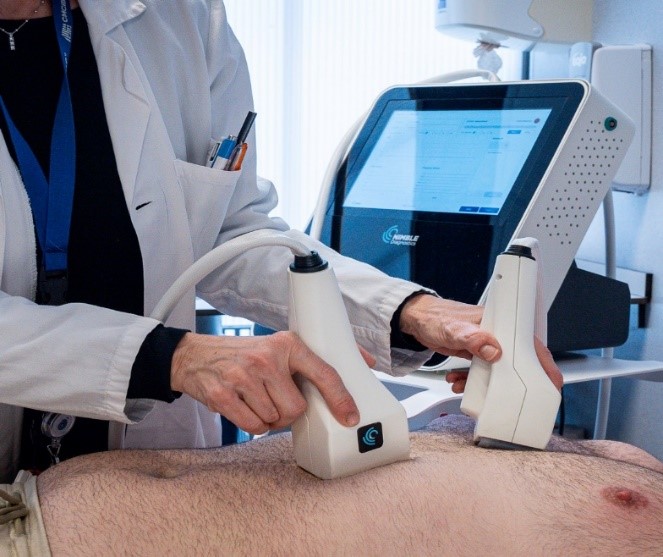
The WAEVE®, has been developed to address this unmet clinical need. Using microwave interferometry, external transducers positioned over the chest detect subtle changes in the electromagnetic signature of implanted coronary stents and the surrounding tissue.. The incident signal propagates from the transducer toward the coronary artery with the stent, generating a reflected signal that varies depending on tissue properties. A direct reference signal is used for interferometric comparison, enabling the detection of changes consistent with in-stent restenosis or other stent-related complications, such as stent thrombosis or fracture (Figure 1)
No radiation. No needles. No contrast. Just proactive, preventive, non-invasive monitoring instead of reactive diagnosis.
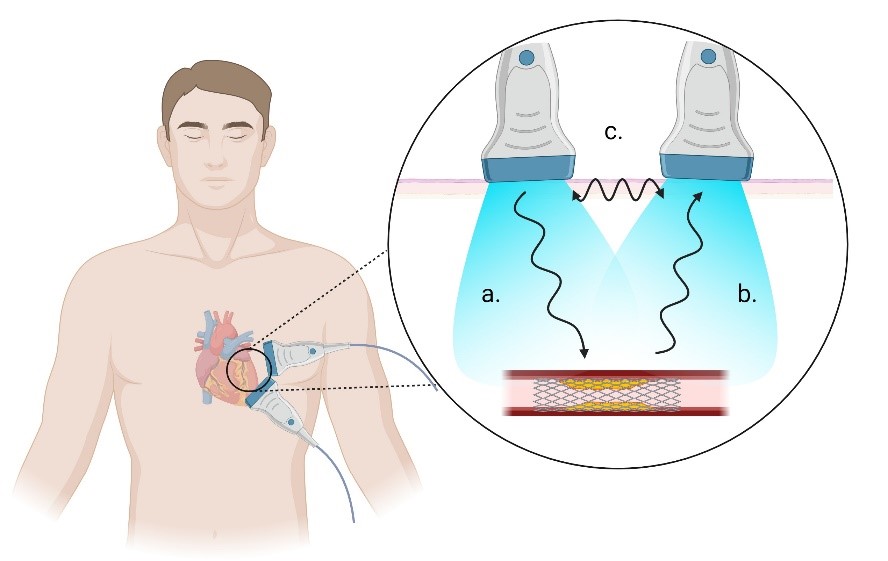 Figure 1. Schematic representation of the interferometric measurement performed by WAEVE®: (a) incident wave, (b) reflected wave, and (c) direct reference signal.
With NIMBLE-I, we wanted to test this premise for the very first time in a real clinical environment. Our study, ‘’Pilot Study of the α Prototype NIMBLE System: Feasibility, Safety, and Initial Performance in Non-Invasive Detection of Coronary In-Stent Restenosis’’ was a first-in-human, prospective, single-center, single-arm, open-label feasibility clinical trial (Phase I/II).
Eligible participants were adults with a previously implanted coronary stent who were already scheduled to undergo diagnostic coronary angiography because of symptoms requiring clinical evaluation. This study design allowed WAEVE® measurements to be performed without altering routine clinical care, while enabling direct comparison with the angiographic gold standard. Once a patient consented and was confirmed eligible, the procedure was straightforward.
A subset of 30 patients also underwent optical coherence tomography (OCT), providing an additional high-resolution intravascular reference for comparison. The interventional team remained blinded to the NIMBLE results throughout, ensuring the objectivity of the comparison and no bias.
The study was designed around a hierarchy of objectives that reflect the priorities of a first-in-human pilot.
Primary objective: Feasibility and safety
The core question was: can the WAEVE® be set up and operated in a real hospital setting, on real patients, and successfully capture measurements without causing any device-related adverse events? The primary endpoints were the completion of NIMBLE measurements across the study population and to determine if it is safe to use in clinical conditions.
Secondary objectives: Diagnostic performance and usability
Beyond feasibility and safety, diagnostic performance of the system will be assessed by comparing the generated measurements against coronary angiography findings, including sensitivity and specificity for detecting clinically significant ISR. Usability will also be evaluated through structured feedback from clinical operators and patients to ensure effective integration into the clinical workflow to ensure effective integration into the clinical workflow.
What Comes Next
Now that the study has closed, we are entering the data analysis and follow-up phase, and we hope to share results once the analysis is completed.
Beyond the study endpoints, NIMBLE-I has already provided invaluable experience. Every patient interaction, every measurement, every comparison with the angiographic reference standard, and every piece of feedback from clinicians and patients will help refine the next generation of the WAEVE® device. These insights will also inform the next phase of our clinical development programme, including the design of a larger pivotal clinical study.
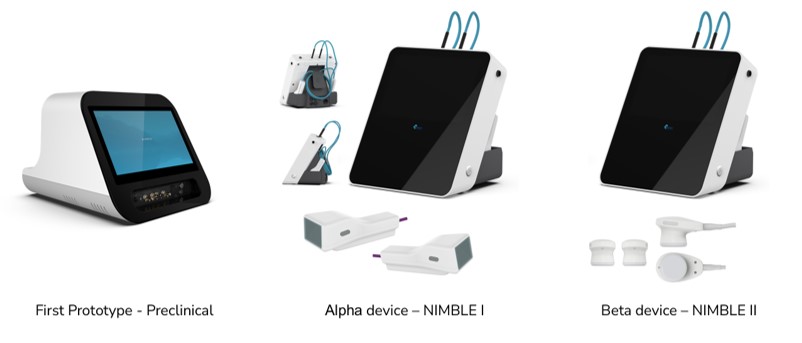
WAEVE® has evolved continuously as we have progressed and learned, with each prototype incorporating technical improvements derived from laboratory validation, clinical experience, and user feedback. From the early preclinical setup to the Alpha and Beta clinical devices, the platform has become increasingly integrated, portable, and user-friendly. Over time, this progress has translated into improvements in ergonomics, durability, protected ports and connectors, enhanced mechanical robustness and a refined transducer design incorporating NIMBLE’s proprietary dielectric filling material.
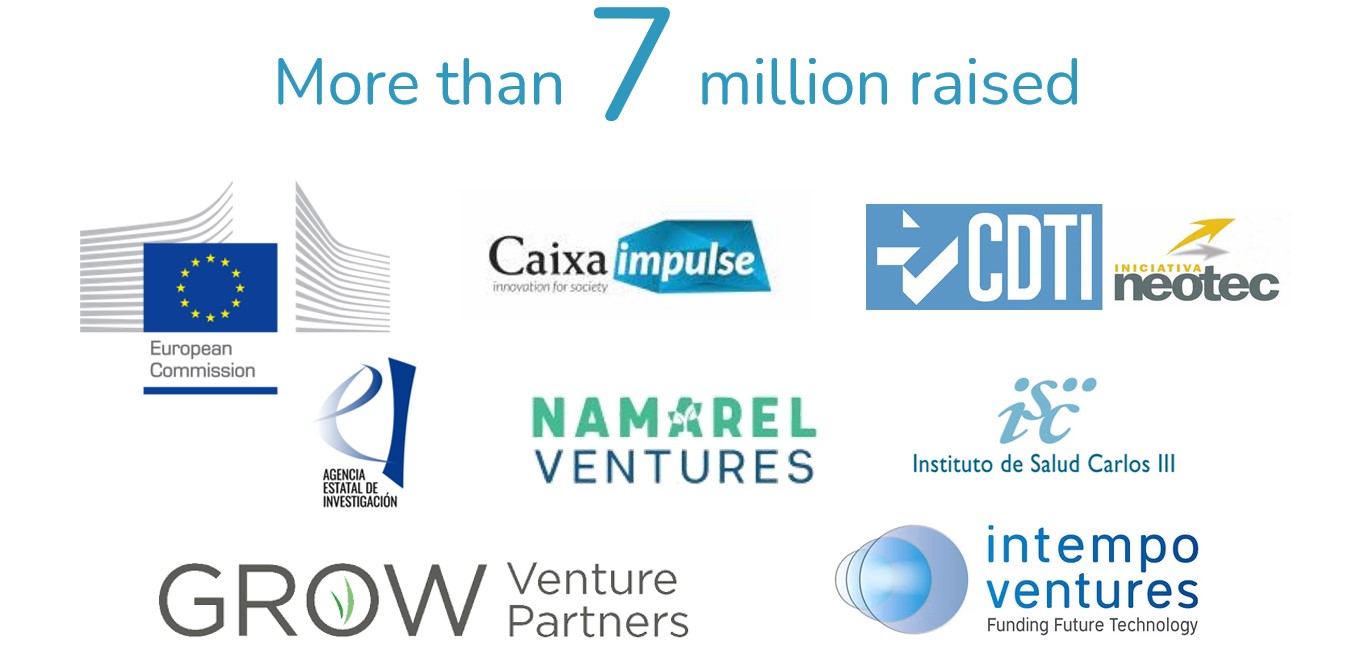
This trajectory has been made possible thanks to the confidence of a diverse network of partners. Nimble Diagnostics has raised more than €7 million to date, combining public funding from institutions such as the European Commission and the EIC Accelerator and private investment led by Grow Venture Partners and Namarel Ventures.
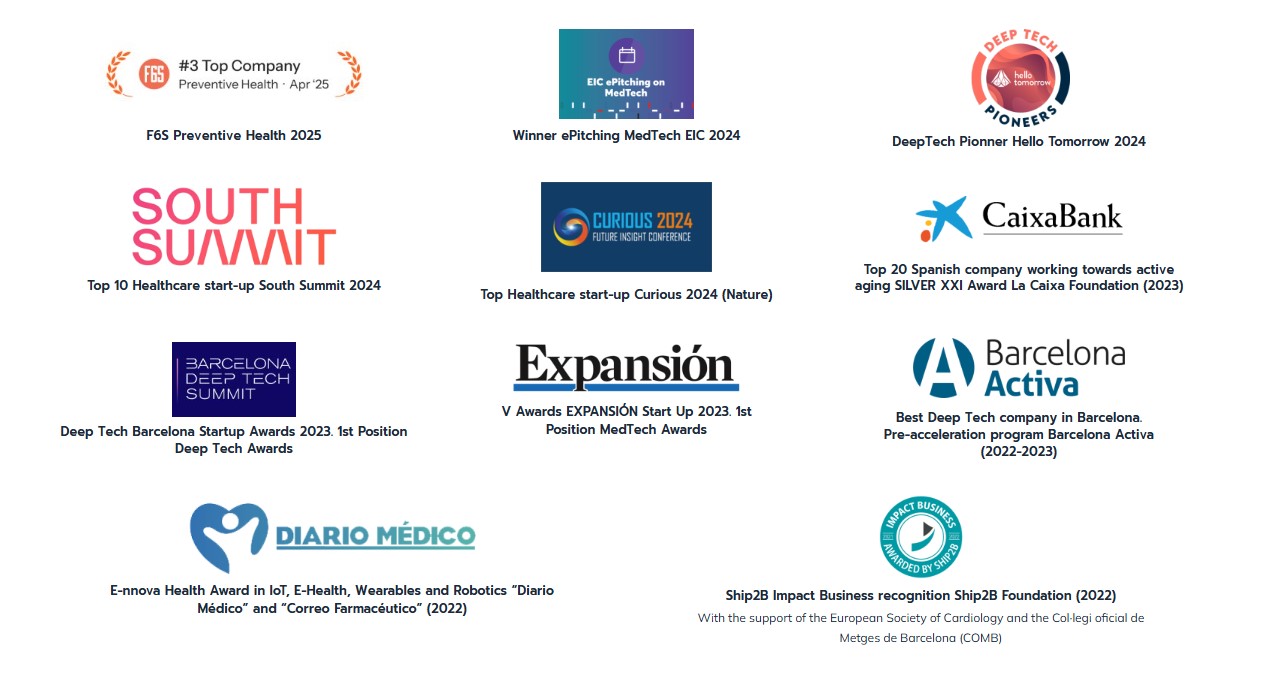
Along the way, the project has also been recognised with several prestigious distinctions, including the ePitching EIC MedTech award, the Barcelona DeepTech Summit and the Top Healthcare Startup award by Nature, among others.
Our participation in accelerator programs, such as Cuatrecasas Acelera, has also been key helping us navigate the regulatory pathway while giving us access to expert mentorship and a network of stakeholders who share our vision on our way to market.
NIMBLE-I did not emerge overnight. It is the result of years of academic research, regulatory work, ethics committee review, and site setup, and the dedication of the entire team at Can Ruti.
We are grateful to the patients, to Dr. Rodríguez Leor, and to everyone at NIMBLE and beyond who made this first-in-human study possible.
The best is yet to come.
More information about the clinical trial can be found here: https://clinicaltrials.gov/study/NCT06968858#study-overview
Related posts
 03Sep
03Sep
NIMBLE and The European Safe Hearts Plan: Towards a More Proactive Cardiovascular Care
 11Jul
11Jul

